
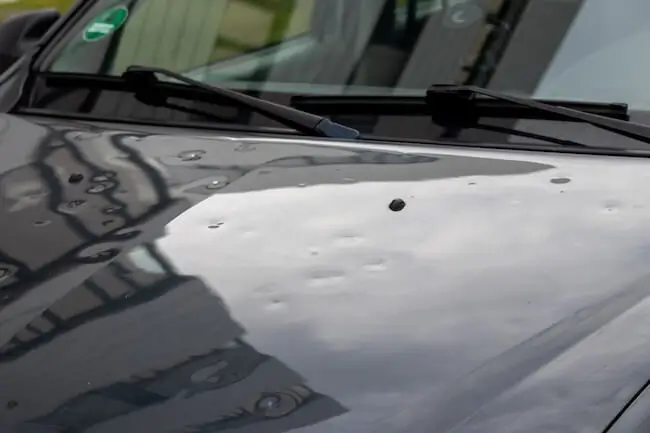
Hailstorms can roll across Colorado in minutes, leaving behind thousands of small dents across hoods, roofs, and doors. After the storm passes, many drivers immediately search for “auto hail repair near me” to figure out what to do next. But a common question almost always follows: Is it actually worth fixing hail damage on a car?
The answer depends on several factors, including the severity of the damage, your insurance coverage, your long-term plans for the vehicle, and whether paintless dent repair (PDR) is an option. Here, we’ll break down the pros and cons of repairing hail damage versus leaving it alone.
Understanding Hail Damage: Cosmetic or Structural?
Most hail damage is cosmetic, meaning it affects the outer metal panels without impacting the structural integrity of the vehicle. These dents typically appear on:
- Hood
- Roof
- Trunk
- Fenders
- Doors
In severe storms, hail can also crack windshields, chip paint, or damage trim. While small dents may seem harmless, they can affect your vehicle’s resale value and potentially lead to paint deterioration over time. Before deciding whether repairs are worth it, it’s important to assess the level of damage.
The Pros of Fixing Hail Damage
1. Protects Your Vehicle’s Value
One of the biggest advantages of repairing hail damage is preserving the resale or trade-in value of the vehicle. Even minor dents can significantly lower a vehicle’s appraisal. Dealerships and private buyers often reduce offers by thousands of dollars if hail damage is visible. Repairing the damage restores the vehicle’s appearance and market competitiveness.
2. Insurance Often Covers It
If you carry comprehensive insurance, hail damage is typically covered. In many cases, the repair cost is paid by insurance minus your deductible. Since hail damage is weather-related, filing a claim generally does not increase premiums the same way at-fault accidents might. If repair costs exceed your deductible, fixing the damage is often financially worthwhile.
3. Prevents Long-Term Paint Issues
Although many hail dents do not immediately crack paint, weakened areas can deteriorate over time, especially in regions with intense sun exposure and temperature swings. Repairing dents early reduces the risk of paint failure or corrosion later.
4. Paintless Dent Repair Is Non-Invasive
In most cases, hail damage can be repaired using paintless dent repair (PDR). This method:
- Preserves factory paint
- Avoids fillers and repainting
- Maintains original panel integrity
- Is typically faster than traditional bodywork
Because PDR does not alter factory finishes, it helps maintain the car’s original condition.
The Cons of Fixing Hail Damage
1. Deductible Costs
If your deductible is high and the hail damage is minor, repair costs may not justify filing a claim. For example, if the repair estimate is $800 and your deductible is $1,000, you would be paying out of pocket.
2. Time Without Your Vehicle
Depending on the severity of the damage, hail repairs can take several days. Severe storms often create high demand at repair shops, leading to scheduling delays.
3. Diminishing Returns on Older Vehicles
If your vehicle is older with high mileage and lower resale value, repairing cosmetic hail damage may not significantly increase its worth. In such cases, some owners choose to leave minor dents untreated.
When Is It Definitely Worth Fixing?
Repairing hail damage is usually worth it when:
- The vehicle is newer or under lease
- You plan to sell or trade it in
- Insurance covers most of the repair costs
- The damage is widespread and visible
- The paint remains intact, and PDR is possible
Leased vehicles almost always require cosmetic damage repair before turn-in to avoid penalties.
When It Might Not Be Worth It
In some scenarios, repairing hail damage may not be financially practical:
- The vehicle’s value is already low
- The damage is minimal and barely noticeable
- You plan to keep the car long-term, and appearance is not a concern
- The repair cost exceeds the car’s market value
If insurance declares the car a total loss due to extensive hail damage, replacing the vehicle may be more logical.
Repair vs. Replace: What’s the Difference?
Repair (Paintless Dent Repair)
Best for:
- Multiple shallow dents
- Intact paint
- No structural damage
Pros:
- Preserves factory paint
- Lower cost
- Faster turnaround
- Maintains vehicle history
Cons:
- May not fully correct severely stretched metal
Replace (Panel Replacement or Traditional Body Repair)
Best for:
- Deep dents with cracked paint
- Structural damage
- Severely stretched metal
Pros:
- Completely restores severely damaged panels
- Necessary for extreme damage
Cons:
- Higher cost
- Requires repainting
- May affect resale perception
In most hail cases, repair (not replacement) is the preferred and most cost-effective solution.
How Hail Damage Affects Trade-In Value
Even small hail dents can reduce trade-in value by 10–30%, depending on severity. Dealerships factor in repair costs when making offers. Fixing hail damage before selling often results in a higher net return than accepting a reduced offer.
Choosing the Right Repair Specialist
The quality of repair significantly impacts whether fixing hail damage is truly “worth it.” Improper repairs can leave high spots, visible imperfections, or mismatched paint.
Working with a trusted dent repair service like Mile High Dent Repair ensures that hail damage is assessed accurately and repaired using professional paintless dent repair techniques whenever possible. Experienced technicians can often restore panels to near-factory condition without repainting, maximizing value and appearance.
So, Is It Worth Fixing Hail Damage?
In most cases, yes! Especially if:
- Insurance covers the majority of the cost
- The vehicle holds strong resale value
- You want to maintain its appearance
- Paintless dent repair is viable
The financial and aesthetic benefits typically outweigh the drawbacks.
Book Professional Hail Repair with Mile High Dent Repair
If your vehicle has been caught in a recent storm, don’t wait to assess the damage. Even minor dents can impact value and lead to long-term issues.
Book hail damage repair services with Mile High Dent Repair today. Our skilled team can evaluate your vehicle, work with your insurance provider, and restore your car using professional paintless dent repair methods whenever possible. Protect your investment and bring your vehicle back to pre-storm condition with trusted local experts.

At Mile High Dents, we specialize in paintless dent repair (PDR) for all types of vehicles across the Denver metro area. Whether you’re dealing with hail damage, an annoying door ding, or a larger dent, our expert technicians restore your vehicle to like-new condition without repainting, sanding, or fillers.


