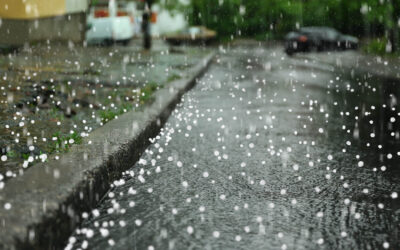
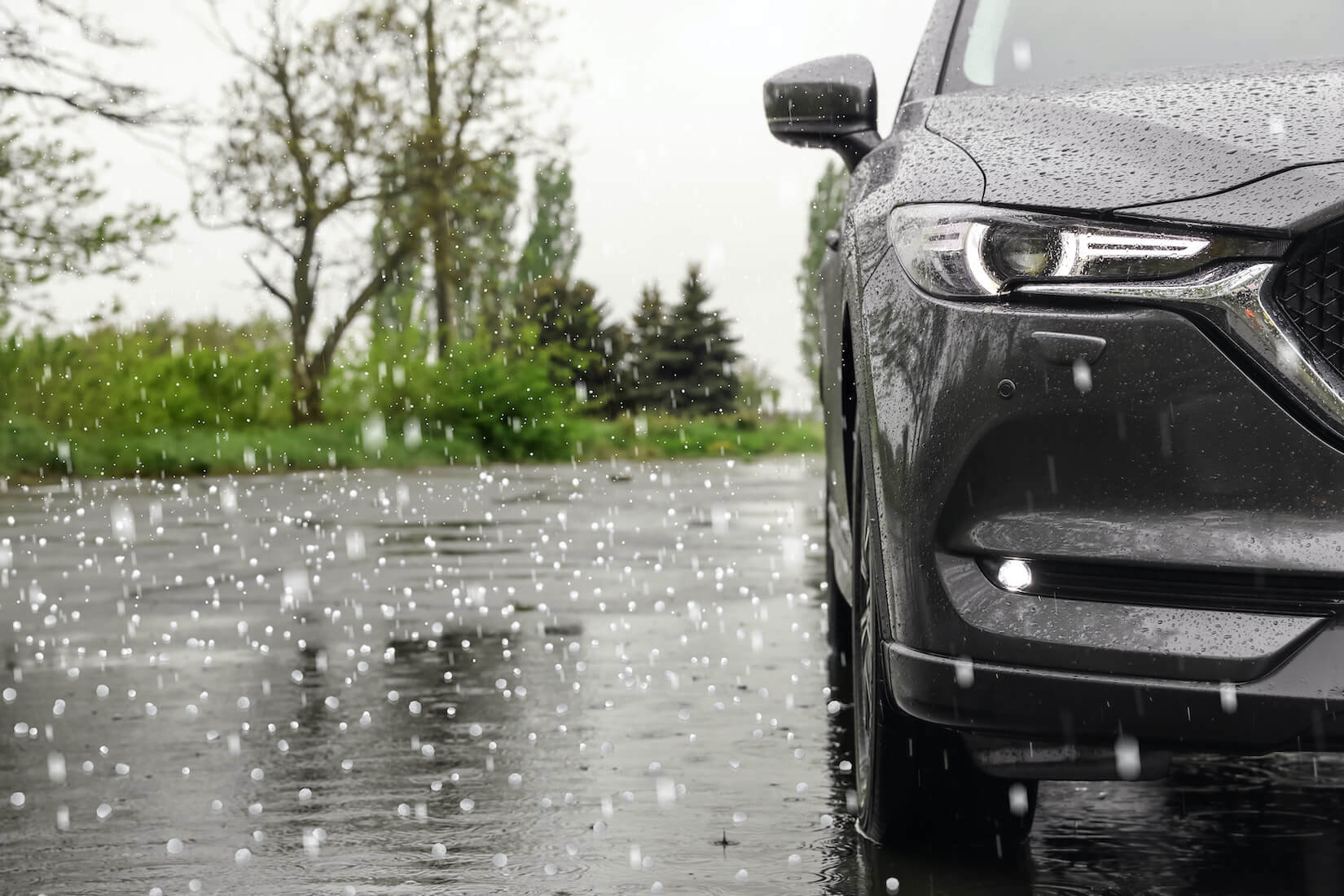
Hailstones are like snowflakes — no two are exactly alike. The depth of that truth can’t be overstated, especially for drivers in Denver. One storm can leave behind cracked paint and deep craters, while another produces only faint dimples — or no visible damage. So why is hail so different from one storm to the next?
Storms sweep east from the mountains every spring and summer, leaving behind aggravating hail damage. That’s why understanding local hail patterns isn’t just trivia — it’s essential for protecting your car and planning for future maintenance. If you’ve recently searched for Denver auto hail repair after a sudden storm, it helps to know that not all hail is the same.
In this guide, we’ll answer a mysterious question as to why hailstorms differ from town to town in Denver and the surrounding towns. Hint: It’s all about microclimates.
Denver Drivers Curious Why Hailstorms Are Different From Town to Town
This guide is for Colorado drivers who know that hail season isn’t just a weather pattern — it’s a way of life.
- Everyday commuters across the Denver metro who’ve noticed differences in hail damage from town to town, but aren’t sure why.
- Homeowners with uncovered parking dread the sound of hail on the roof and wonder what it’s doing to their car in the driveway.
- Insurance-savvy drivers who want to understand how location and storm intensity influence both damage and claims.
- New Colorado residents adjusting to life in Hail Alley and trying to stay ahead of unpredictable mountain weather.
- Vehicle enthusiasts and resale-focused owners who want to protect their car’s appearance — and its long-term value — with the right repair approach.
If that sounds like you, keep reading. You’ll discover how where you live — from Golden to Centennial — can determine the kind of hail damage your car experiences and which repair method works best.
How Do Denver’s Microclimates Impact Hail Damage
Denver’s many microclimates — shaped by elevation, wind flow, and proximity to the foothills — create pockets of weather that can drastically change hail size and intensity from one neighborhood to the next. In fact, the contrast can feel like crossing from one country into another — one area pummeled by golf-ball-sized hail while another just a few miles away sees only rain.
Consequently, hail behaves differently across the Denver metro area — and those differences directly affect the type of repairs your vehicle might need. From storm direction and altitude to wind speed and air temperature, every neighborhood experiences its own version of hail season.
Golden and Lakewood – First in the Storm’s Path
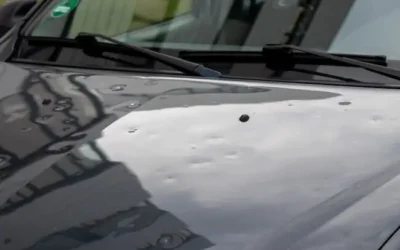
Perched along the Front Range foothills, Golden and Lakewood are often the first to be hit when storm systems roll east from the mountains. Hail here tends to be larger and faster, since it hasn’t had time to melt before impact. That combination often leads to deeper dents, cracked paint, and metal stretching — damage that typically requires traditional dent repair rather than PDR.
Arvada and Westminster – Frequent, Mid-Sized Hail
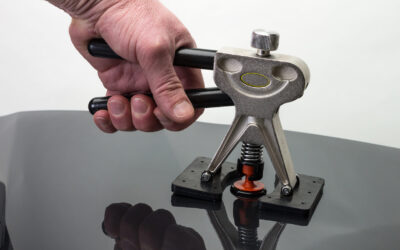
Farther north, Arvada and Westminster experience more frequent but smaller hail events. Repeated storms throughout the season can leave dozens of light dents across roofs and hoods. Because paint damage is less common here, paintless dent repair (PDR) is often the most efficient solution — quick, affordable, and ideal for volume hail damage.
Denver and Edgewater – Urban Heat, Softer Impacts
Central Denver and Edgewater sit on what’s called a heat island, where rising temperatures from pavement and buildings partially melt smaller hailstones before they hit.
This softens the hailstones when they impact, resulting in shallower dents and minimal paint cracking, making PDR a smart choice for most cases. However, slow-moving storm cells can still produce larger hail that chips paint and calls for traditional body repair.
Aurora and Centennial – Wind-Driven Hail at High Velocity
Storms moving east onto the plains often pick up speed and wind intensity. In Aurora and Centennial, hailstones might be smaller but strike with greater force. This high-velocity impact can cause sharp dents, long creases, or chipped paint along door panels and roofs. Drivers in these areas frequently need a blend of PDR and traditional repair, depending on the extent of the damage.
Highlands Ranch and Littleton – Mixed Hail Patterns
South of Denver, Highlands Ranch and Littleton experience mixed hail patterns — smaller stones that melt quickly, punctuated by occasional bursts of heavy hail. The result is a combination of surface dents and more profound impacts. PDR often handles most damage in these neighborhoods, but larger dents from the occasional severe storm may still require sanding, filler, and repainting.
Is Your Town in One of Denver’s Hailstorm Hotspots
If you live in the Denver metro area, you might have already seen your town on our list above — and noticed how no two hailstorms hit quite the same. Every part of the Denver metro has its own hail personality — from the sharp, fast-falling stones in Golden to the softened impacts downtown.
It’s incredible how much can change in a single mile — the result of shifting wind patterns, elevation, and the unique impacts of Denver’s microclimates. Knowing about microclimates and how they affect where you’re driving gives you advanced knowledge of what type of hailstorm you’re in and what damage it can cause. This gives you a leg up if you need to have your car repaired at a shop.
Hail Damage Repair Services You Can Trust in Denver
Driving from one town to another can completely change the type of hailstorm you encounter — and how much damage your vehicle might take if caught in it.
Mile High Dents has been fixing hail damage dents for Denver drivers since the 1980s. We started as a small, locally owned shop and grew into one of the Denver metro area’s most trusted auto body repair teams. Along the way, we became the first in Denver to offer paintless dent repair (PDR) — a faster, less invasive way to remove dents without sanding, fillers, or paint. Over the decades, we’ve restored thousands of hail-damaged vehicles for Colorado drivers.
Have you been caught in a hailstorm or found fresh dents after parking? Get in touch online to book an appointment or give us a call at (720) 772-0133 to talk with a paintless dent repair expert. Mile High Dents makes restoring your car easy and gets you safely back behind the wheel.

At Mile High Dents, we specialize in paintless dent repair (PDR) for all types of vehicles across the Denver metro area. Whether you’re dealing with hail damage, an annoying door ding, or a larger dent, our expert technicians restore your vehicle to like-new condition without repainting, sanding, or fillers.