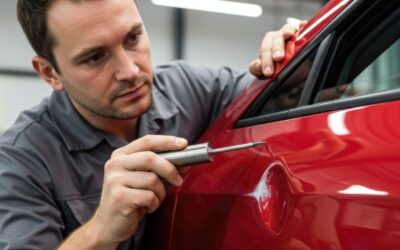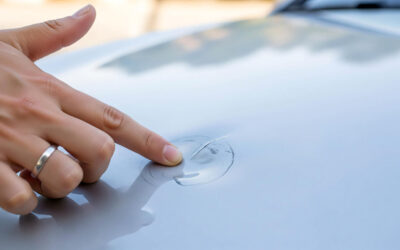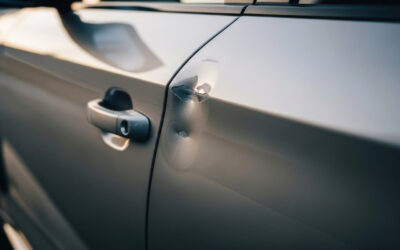
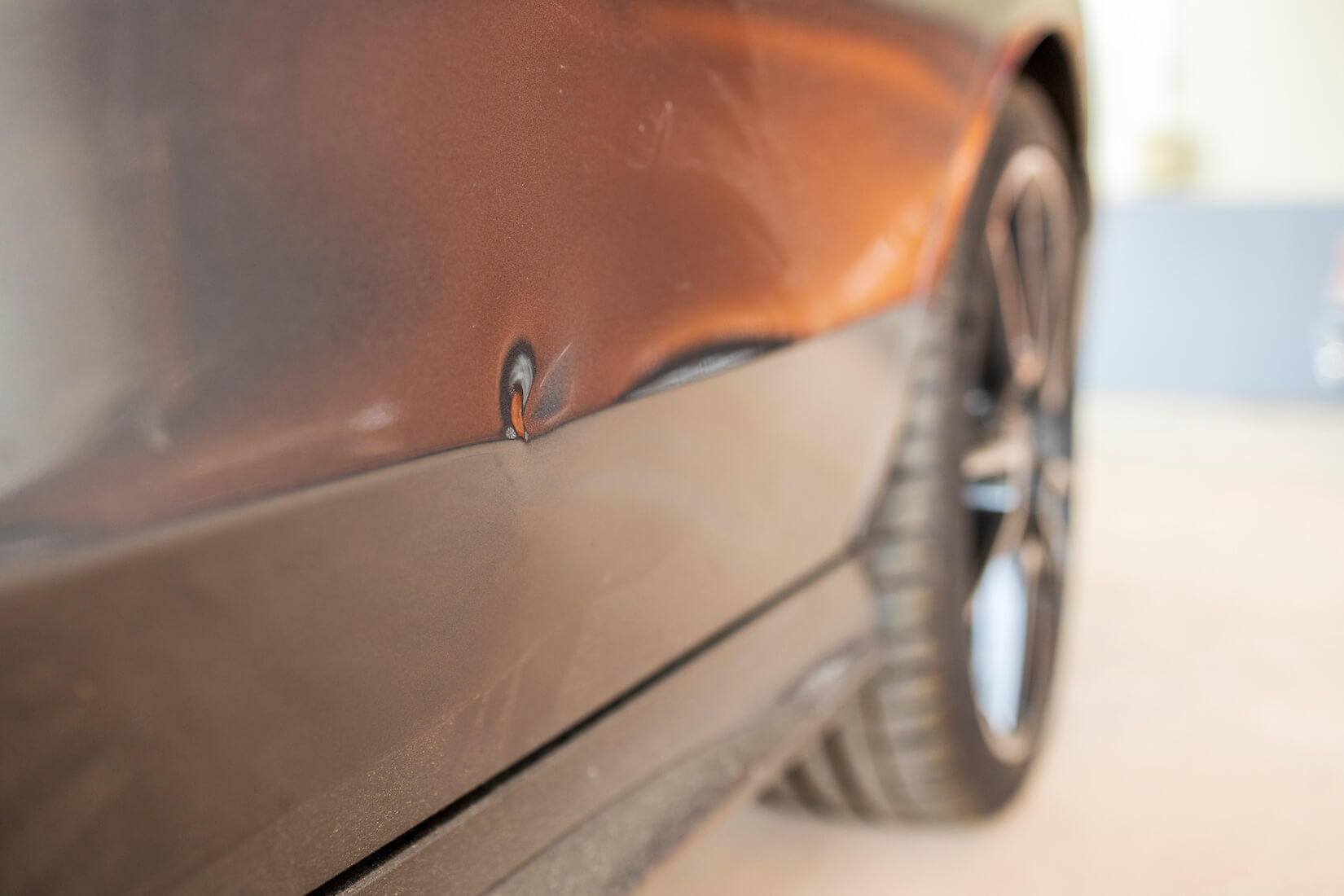
Large dents in a car door are more than just an eyesore. Having Dents in your car can affect resale value, compromise panel integrity, and even interfere with door operation. Whether the damage comes from hail, a parking lot collision, or an unfortunate encounter with a garage wall, many drivers immediately start searching for dent repair in Denver, CO, and beyond to understand their options. While small door dings can sometimes be addressed with minimal effort, large dents are a very different challenge. Removing them properly requires understanding the type of damage, the materials involved, and the risks of improper repair.
Here, we’ll walk through how large car door dents are removed, what methods are available, and when professional help is the smartest option.
What Qualifies as a “Large” Dent?
A large dent is not defined solely by diameter. While dents larger than two to three inches are often considered “large,” severity depends on several factors:
- Depth of the dent
- Sharpness or creasing
- Location on the door
- Whether a body line is affected
- Material of the panel (steel vs. aluminum)
A shallow but wide dent may be easier to repair than a small but sharp crease. Large dents often involve stretched metal, making them far more complex than minor door dings.
Understanding Car Door Construction
Modern car doors are not simple, flat panels. They consist of:
- An outer skin (steel or aluminum)
- Inner bracing and crash beams
- Window tracks, wiring, and insulation
- Double-layered metal in certain areas
This complexity limits access to the backside of the dent, which is essential for many repair techniques. Large dents often span reinforced areas, making improper DIY attempts risky and ineffective.
Common Causes of Large Car Door Dents
Large door dents usually occur due to significant force, including:
- Vehicle-to-vehicle contact in parking lots
- Hailstorms producing clustered impacts
- Wind-blown debris
- Door impacts against fixed objects
- Side-swipe collisions at low speeds
Understanding the cause helps determine whether paintless dent repair (PDR) is possible or if conventional body repair is required.
Can Large Dents Be Removed Without Repainting?
In many cases, yes — but only under the right conditions.
Paintless Dent Repair (PDR)
Paintless dent repair involves reshaping the metal from behind the panel or using controlled glue pulling from the exterior. PDR is ideal when:
- The paint is intact
- The dent is not sharply creased
- The metal is not severely overstretched
- The damage is accessible
Large dents can absolutely be repaired with PDR, but it requires advanced tools and experience. The process involves hundreds of small, precise pushes rather than brute force.
Traditional Body Repair
When the paint is cracked or the metal is too stretched, conventional repair may be necessary. This includes:
- Filling the dent with body filler
- Sanding and repainting
- Blending adjacent panels
While effective, this method is more expensive, time-consuming, and permanently alters factory paint.
Why DIY Methods Rarely Work on Large Dents
Many online tutorials suggest methods such as plungers, boiling water, or suction tools. These techniques may occasionally help with very shallow dents on plastic bumpers, but they are largely ineffective and oftentimes risky on car doors.
Common DIY Problems Include:
- Overstretching the metal
- Creating high spots
- Cracking or weakening paint
- Oil canning (metal popping in and out)
- Permanent distortion along body lines
Once these issues occur, even professional repair becomes more difficult or impossible with PDR.
The Professional Process for Removing Large Door Dents
When handled correctly, large dent removal follows a careful, methodical process:
- Damage Assessment: Technicians analyze depth, stretch, paint condition, and access points using specialized lighting.
- Panel Access: Interior door panels may be removed to safely reach the backside of the dent without damaging wiring or components.
- Controlled Metal Manipulation: Precision rods and picks are used to slowly massage the metal back to its original shape.
- Glue Pulling (When Necessary): Special tabs and adhesives lift low areas without harming paint.
- Fine Tuning: High spots are tapped down, and reflections are checked repeatedly to ensure a smooth, factory-level finish.
This process can take hours for a single large dent, which is why experience matters so much.
Aluminum vs. Steel: Why It Matters
Many newer vehicles use aluminum door panels. Aluminum is lighter but much less forgiving than steel. It:
- Requires more precise pressure
- Retains “memory” differently
- Cracks paint more easily if mishandled
Large aluminum dents should never be attempted without proper tools and training. Incorrect repair often results in permanent damage.
When Large Dents Cannot Be Fully Removed
In some cases, especially with severe creasing or extreme stretch, full removal may not be possible with paintless methods. However, skilled technicians can often achieve 80–95% improvement, making the damage nearly invisible without repainting.
Partial PDR can still significantly reduce repair costs by minimizing filler use and repainting areas.
A Trusted Brand for Large Dent Solutions
For drivers dealing with significant door damage, choosing the right repair specialist is critical. Mile High Dent Repair has built a strong reputation by handling complex dents that many shops turn away. Our experience with hail damage, body line dents, and large door impacts allows them to determine whether paintless repair is viable or when an alternative approach is more appropriate.
Working with an established and trustworthy dent removal company ensures that large dents are evaluated honestly and repaired using methods that protect your vehicle’s value.
Mile High Dent Repair — Your Professional Dent Repair Technicians in Denver, Colorado
Large dents are not a cosmetic issue you want to gamble with. Improper repairs can permanently damage your vehicle and cost far more in the long run. If your car door has sustained a significant dent, the safest and most effective solution is to have it professionally evaluated and repaired.
Book dent repair services with Mile High Dent Repair today to restore your vehicle’s appearance without unnecessary repainting or risk. Our skilled technicians are ready to help you get back on the road with confidence and a damage-free ride.

At Mile High Dents, we specialize in paintless dent repair (PDR) for all types of vehicles across the Denver metro area. Whether you’re dealing with hail damage, an annoying door ding, or a larger dent, our expert technicians restore your vehicle to like-new condition without repainting, sanding, or fillers.